

Girls Don’t Lose Interest in STEM. They Get Pushed Out Quietly.
Your daughter reaches for the toolkit, then hesitates when someone jokes, and the room decides for her…

Your daughter reaches for the toolkit, then hesitates when someone jokes, and the room decides for her…

Our kids are exposed to unlimited access to information. This could either be a gift or a curse.

Your child is staring at homework or playing with the stationary, and you’re repeating “focus” like it’s a button you forgot to press.

Something fundamental changed after 2010: kids got more school, more screens, and somehow less ability to focus, persist, and think deeply.

Under stadium lights in Singapore, teens launched CO₂ cars they engineered, then defended every decision to judges.
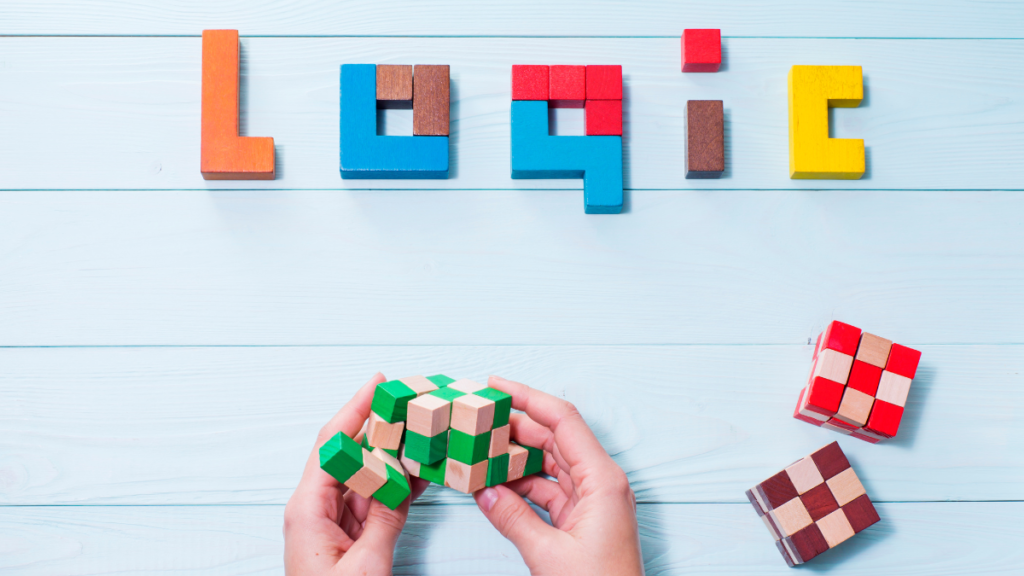
In today’s time, at the age of 8–10, the struggle isn’t math. It’s staying with a problem once the easy path fails.

Adults label kids as the art one, the math one, the sports one, and creativity quietly gets filed as “not yours.”
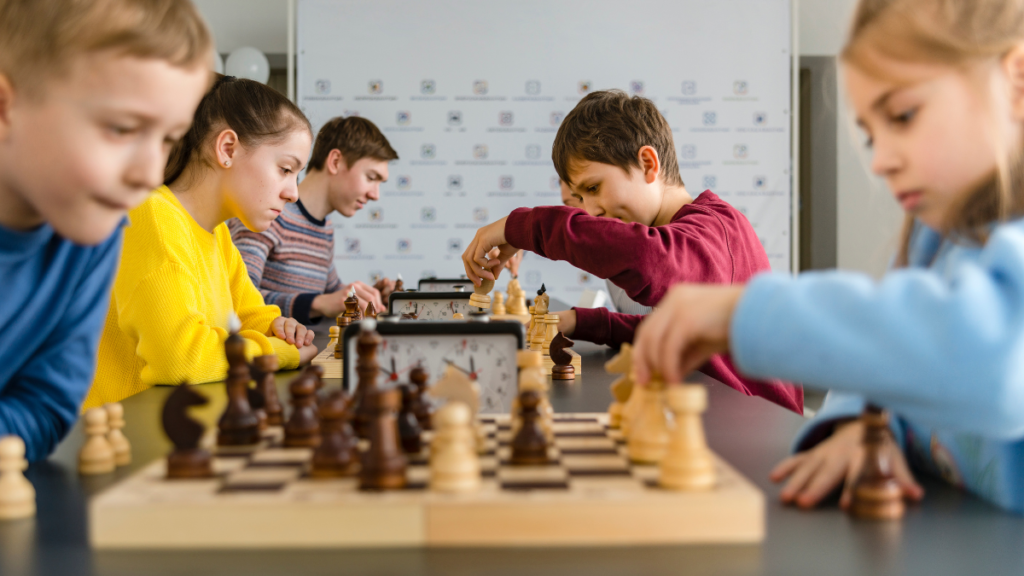
In Armenia, second graders open chessboards in class, the same way they open math books.
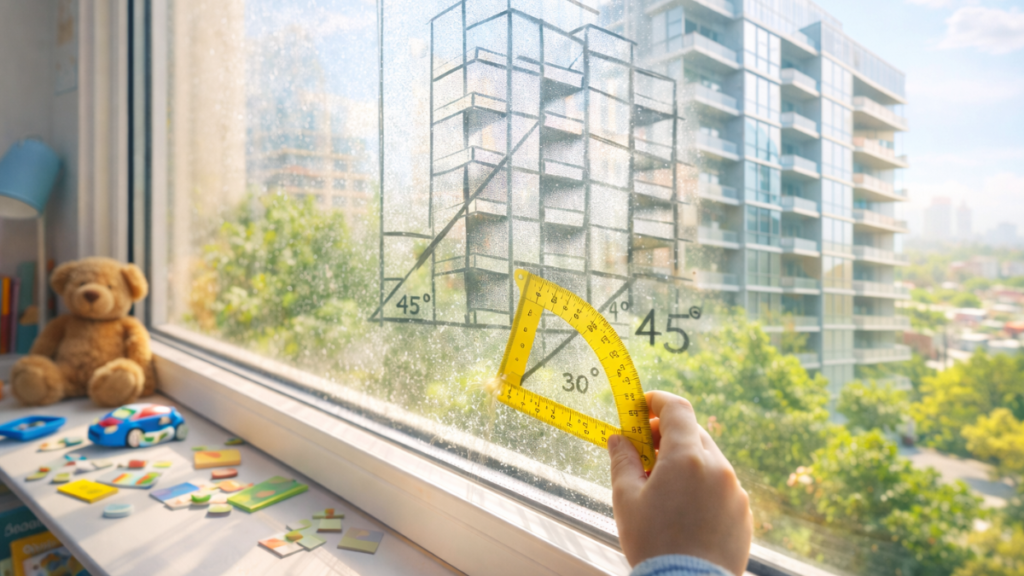
They can count change and keep score, yet one unfamiliar symbol makes them feel exposed and small.

On social media, you have probably seen a child answer large maths sums like a calculator, without writing anything down.